Preview

How Powerful Is OpenAI Sora Really? (Technical Analysis)
OpenAI’s Sora represents a generational leap in AI video generation—from “kindergarten” to “university level.” Unlike other tools, Sora isn’t just morphing pixels—it’s simulating an actual world. By understanding physics (material textures, light reflections, 3D space), it generates broadcast-quality video from simple text descriptions. However, due to safety testing, it remains in closed access. Despite its impressive performance, it still exhibits classic AI hallucination issues like spontaneous object multiplication and anatomical errors.
Key Metrics for Evaluating AI Video Generators
When evaluating text-to-video models, these metrics are critical:
- Physics Simulation Accuracy: Does the AI understand how light, gravity, and collisions work?
- Prompt Adherence: Does the video accurately reflect requested specifics (lens type, colors, clothing)?
- Temporal Consistency: Do objects maintain their shape and identity throughout the clip?
- Artifact Rate: Frequency of glitches, morphing, or anatomical errors (like extra fingers)
- Accessibility & Safety: Tool availability and safeguards against misuse (deepfakes)
Sora Technical Specifications
Based on official releases and technical analysis:
| Specification | Details | Notes |
|---|---|---|
| Developer | OpenAI | Creators of ChatGPT / DALL-E |
| Model Type | Text-to-Video Diffusion | ”World Simulator” approach |
| Input Method | Natural Language Prompts | Supports complex camera directions and style descriptors |
| Output Quality | Photorealistic / Cinematic | Supports 35mm film style, accurate reflections |
| Physics Engine | Simulates 3D Space | Understands motion, materials (fur/snow), and object permanence |
| Post-Production | None Required | Camera movements and cuts generated directly from prompts |
| Access Status | Restricted / Closed Beta | Currently only for “red teamers” and select visual artists |
| Pricing | Not Announced | Not publicly released at video publication time |
| Video Length | Up to 60 seconds | Far exceeds competitors’ 4-16 second limits |
Sora’s Core Strengths
As a disruptor in AI video generation, Sora leads in these areas:
- World Simulator: Not generating pixels, but simulating entire worlds. The AI now “has eyes” and understands how objects interact in 3D space
- Physics Understanding: Renders fluffy dog fur textures, snow reflection effects, understands materials and particle interactions
- Extended Video Length: While competitors max out at 4-16 seconds, Sora generates complete 60-second clips
- Complex Camera Motion: Supports dolly, pan, zoom, and other cinematic techniques without breaking down
- Minimal Effort: Enter text prompts for cinematic results—no coding skills required
The Problems with Sora
Despite the hype, reviewers identified significant flaws and concerns potential users must recognize:
Physics Logic Hallucinations
The model struggles to maintain logical consistency over extended durations. Typical examples include dogs “spontaneously reproducing” or clipping through each other, and objects appearing out of thin air.
Anatomical Uncanny Valley
Similar to early Midjourney, Sora still struggles with hands and eye gaze. Demo footage shows a grandmother blowing out birthday candles where hand movements and eye lines appear “creepy” and unnatural.
Deepfake Threat
While OpenAI adds a watermark in the bottom right corner, reviewers note it’s easily removable. Combined with election cycle context, the potential for creating convincing fake news is a massive societal risk.
Employment Impact
A “boiling frog” effect on creative industries. Stock footage providers, drone operators, and set designers face immediate disruption. The barrier to entry for video creation has collapsed.
Real-World Usage Experience
The “World Simulator” Transformation
Sora’s most distinctive aspect: it’s not generating pixels—it’s simulating a world. Reviewers note that to render fluffy dog fur texture or snow reflection effects, the AI has effectively “gained eyes.” It understands how objects interact in 3D space, allowing complex camera pans without the image falling apart.
Ease of Use vs. Accessibility
Operation is described as “super simple”—enter text prompts for cinematic results without technical coding skills. However, for most people, the “real world” experience remains theoretical, as access is strictly limited to OpenAI internal testers and select partners.
The Jensen Huang Perspective
The review references Nvidia CEO Jensen Huang’s view: learning to code is becoming less critical. Sora proves human language is becoming the new programming syntax, democratizing technical creativity.
Who Should Use Sora? (When Available)
| Use Case | Recommendation |
|---|---|
| Storytellers & YouTubers | For B-roll footage, establishing shots, and abstract visualization |
| Game Developers | Rapid prototyping of scenes and environments |
| Advertisers | Generate high-quality commercial assets without expensive location shoots |
| Concept Artists | Quickly transform static ideas into animated previews |
| Film Pre-Production | Low-cost dynamic storyboards and concept videos |
Who Should Skip Sora?
- Documentary Filmmakers: Subtle hallucination risks make it unreliable for factual representation
- News Organizations: Using this tool beyond illustrative purposes carries high ethical risks regarding authenticity
- Projects Requiring Precise Human Details: Hand and eye gaze anatomical errors remain frequent
- Creators Needing Immediate Access: Still in closed testing phase
What to Do While Waiting?
Sora’s eventual release doesn’t mean you should pause your video content strategy. Practical alternatives are available today:
| Need | Recommended Tool | Reason |
|---|---|---|
| Chinese-Friendly Experience | Vidu AI | Complete Chinese support, fast generation |
| Marketing Video Production | Fliki | Built-in voiceover and multilingual support |
| Creative Short Experiments | Pika | Unique stylized effects |
| Professional Video Editing | Runway Gen-2 | Mature editing workflow |
Review Conclusion
OpenAI Sora represents the future direction of AI video generation. It shows us a future where anyone can become a filmmaker—not by learning complex software, but by describing what you want to see. However, that future hasn’t fully arrived yet.
Currently, Sora remains in closed testing, unavailable to regular users. But it has already defined a new industry standard: True AI video generation isn’t pixel morphing—it’s world simulation.
Visual Evidence
Screenshots captured from the review video at key moments:
30-Year-Old Astronaut
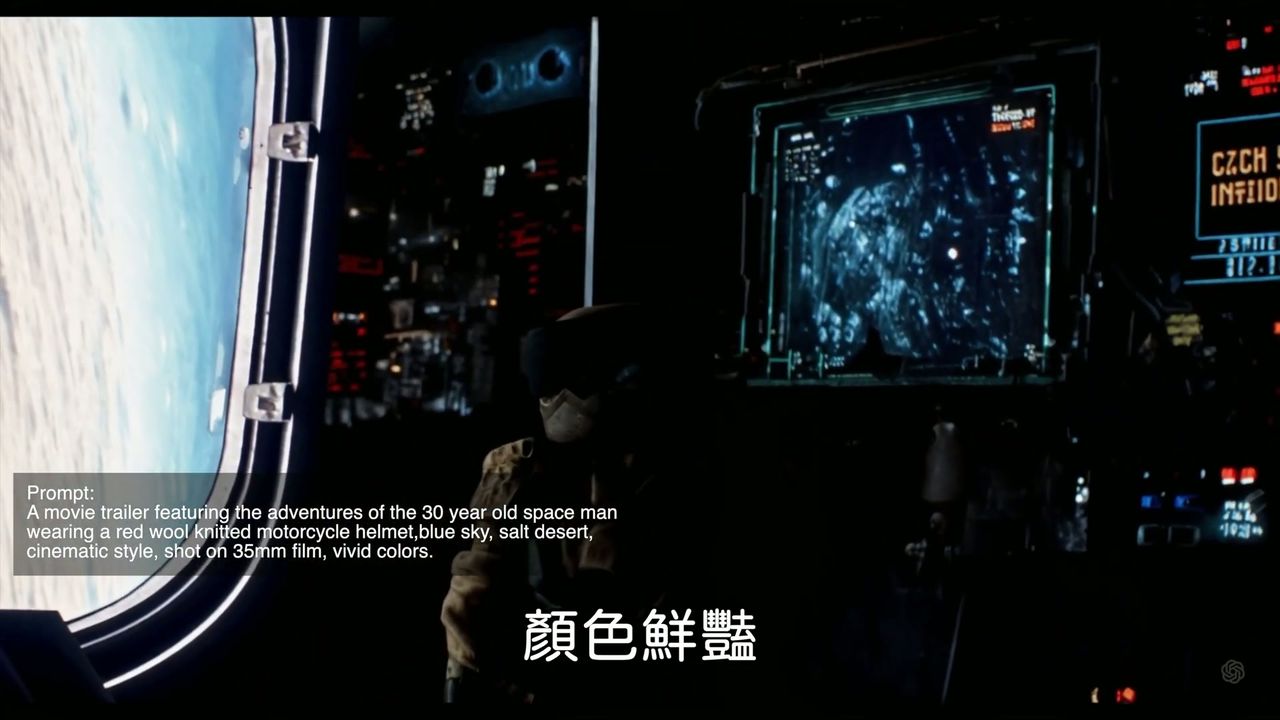
[00:27] — Demonstrates high-level prompt adherence (specific textures like wool, 35mm film style)
Fluffy Fur Texture

[01:21] — Highlights the AI’s understanding of physics, texture, and particle interaction
Spontaneous Reproduction
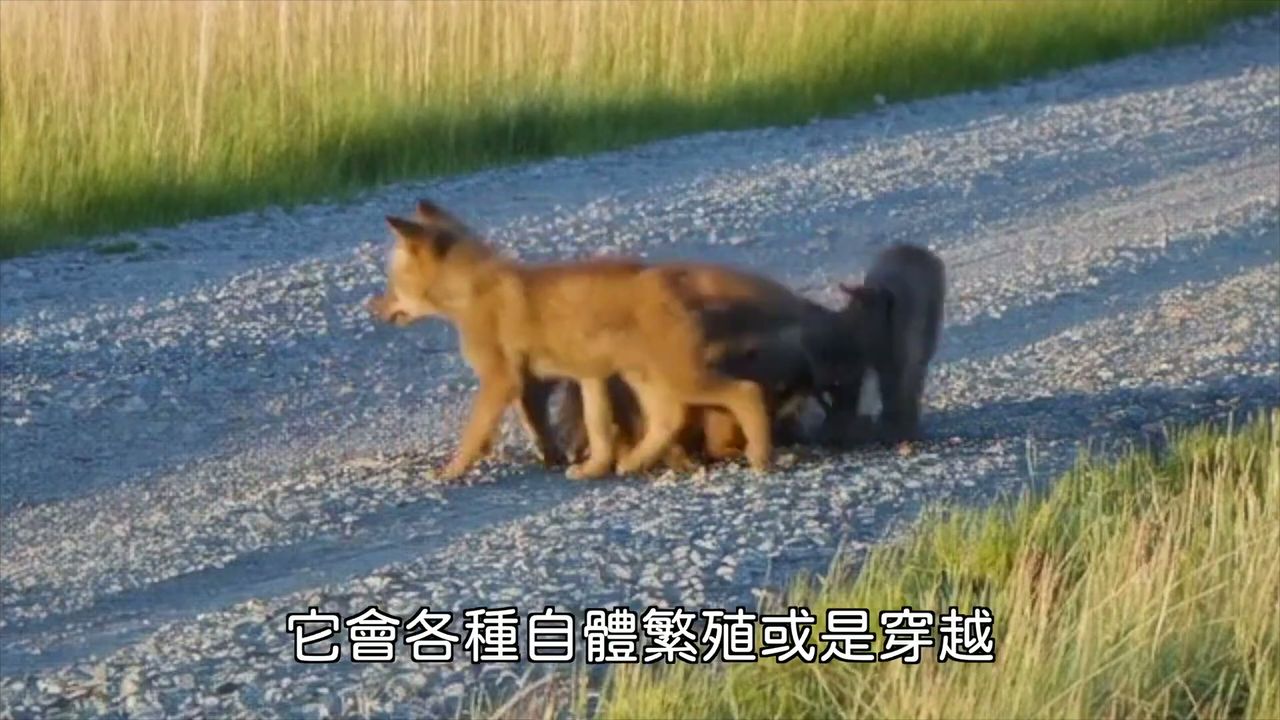
[02:35] — Crucial visual proof of the ‘Ugly Truth’—the model’s failure to maintain logical consistency
Grandmother Blowing Candles

[02:40] — Illustrates the ‘Uncanny Valley’ effect and anatomical errors that still persist
Watermark Safety Measures
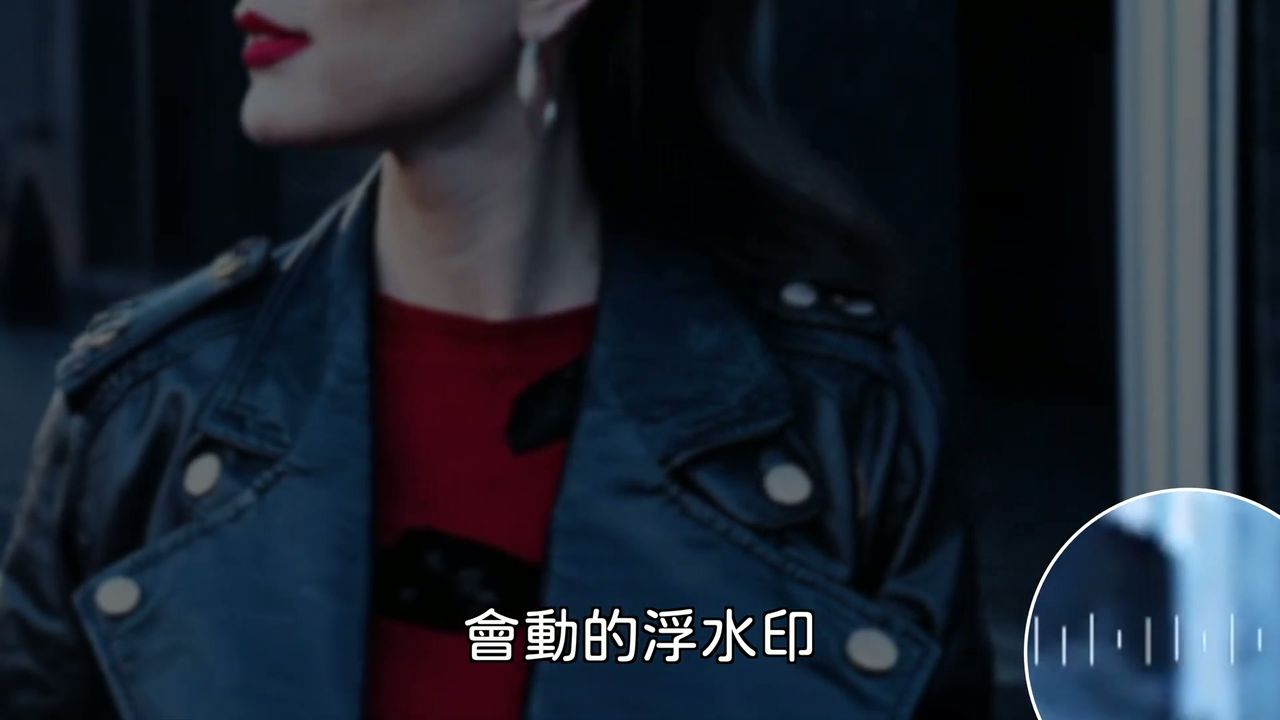
[04:13] — Visualizes current safety measures regarding deepfakes (and their potential insufficiency)
Source
- Original Video: Watch on YouTube
This review is based on information available at video publication time. Product features and availability may change—please follow OpenAI’s official channels for the latest updates.